

Table of Contents
- How Often Should You Pump Your Septic Tank?
- Factors That Affect Your Septic Tank Pumping Schedule
- Signs Your Septic Tank Needs to Be Pumped
- Why Septic Tank Pumping Is Important for Your Home
- Simple Ways to Stay on Top of Septic Maintenance
- How to Keep Your Home's Septic Tank Healthy
- Frequently Asked Questions
Noticing slow drains, foul odors, or standing water around your yard? If you have a septic tank, these are signs your system may need attention. Regular maintenance is important as over time, solids like sludge and scum naturally build up, and without proper pumping, this can lead to messy backups, nasty smells, and costly repairs.
In this guide, we’ll cover how often your septic tank should be pumped, the factors that can affect the schedule, and the warning signs that it’s time to call a professional, helping you prevent expensive problems and keep your system and your home running smoothly.
How Often Should You Pump Your Septic Tank?
The general recommendation is to have your septic tank pumped every 3 to 5 years to clear out built-up sludge and help prevent system failure. However, the exact timing depends on factors such as household size, water usage, tank capacity, and system type.
For example, someone living alone might go up to 10 years without needing their septic tank pumped, while a larger family of 5 or 6 with heavy water use may need it pumped every 2 years.
Factors That Affect Your Septic Tank Pumping Schedule
While having your septic tank pumped every 3–5 years is a good rule of thumb, the most accurate pumping schedule depends on these key factors:
- Household Size: The more people living in your home, the more wastewater your tank will handle. Larger households fill tanks faster, leading to more frequent pumping.
- Water Usage: Daily activities like showers, laundry, and dishwasher use add up. Heavy water use increases the flow into your tank and can speed up sludge buildup.
- Septic Tank Size: Bigger tanks can hold more waste and usually allow longer periods between pumpings, especially if water usage is average. Smaller tanks may need more frequent attention.
- System Age and Design: Newer or properly designed systems often operate more efficiently and can go longer between pumpings. Older or undersized systems may need service more often to prevent problems.
- Local Regulations: Some areas have specific rules or recommendations for septic maintenance. Always check local requirements to ensure your system stays compliant.
The best way to stay ahead of costly repairs or potential health hazards is to have your septic system inspected by a professional at least every 3 years. They can assess your system and recommend a pumping schedule that fits your household’s needs for reliable, long-term performance.
Signs Your Septic Tank Needs to Be Pumped
Your septic system works quietly behind the scenes, but when it needs attention, it usually sends some pretty clear warning signs.
Here are the most common signs your septic tank may be full:
- Slow drains around the house: If sinks, tubs, or showers are draining more slowly than usual, your septic tank may be reaching capacity, causing wastewater to back up.
- Toilet trouble or frequent backups: Weak flushes or recurring backups are often one of the first signs that your septic tank needs pumping.
- Gurgling sounds from your drains: Bubbling or gurgling noises after running water can mean trapped air in the septic tank, which is struggling to handle additional waste.
- Foul smells near the tank or drain field: A strong, sewage-like odor outside means that waste is building up beyond safe levels and starting to escape your septic system.
- Patches of extra green or lush grass: Unusually green or thick grass near your septic tank or drain field can be a sign of wastewater surfacing and acting as a natural fertilizer.
- Water pooling in your yard: Standing water around your septic tank or drain field, even when it hasn’t rained, can mean that the system is full and not draining properly.
You might not notice all of these signs at once, but even seeing one is a clear warning that it’s time to have your septic tank pumped. Taking care of it early keeps your septic system running smoothly and helps prevent bigger, more expensive problems down the road.
Why Septic Tank Pumping Is Important for Your Home
Regular septic tank pumping might not feel urgent when everything is working properly. But it is one of the most important things you can do to protect your system, your property, and your wallet.
Simply put, routine pumping can prevent tens of thousands of dollars in damage.
Over time, solids, known as sludge, settle at the bottom of your tank while grease and scum float to the top. The liquid in between flows safely out to your drain field, but the solids and scum remain trapped until they are professionally removed.
If solids and scum build up too much, they can clog your system and flow into your drain field. Drain field repair or replacement is one of the most expensive septic issues homeowners face.
In the meantime, wastewater can back up into your home or seep into your yard, damaging pipes, contaminating soil, and creating foul odors long before you see problems.
Here’s an image showing water leaking around the lid of a septic tank:
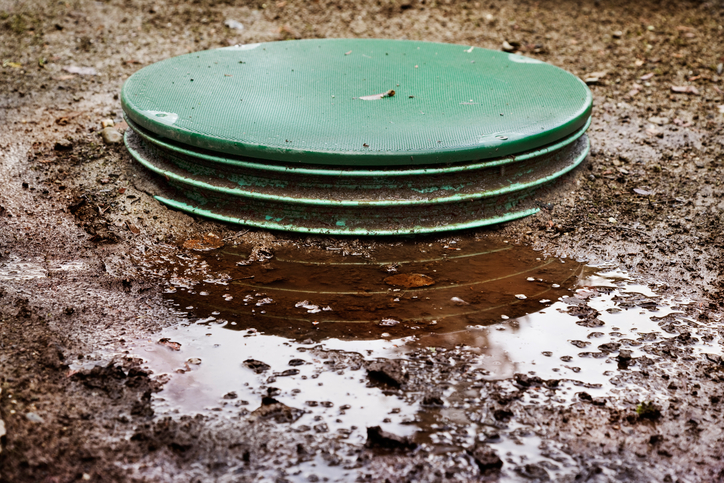
Think of septic tank pumping as routine care that keeps everything flowing underground the way it should. Skipping it may not cause problems immediately, but even one overflow can create a serious mess you’ll want to avoid.
Simple Ways to Stay on Top of Septic Maintenance
Staying on top of your septic tank maintenance is the best way to prevent messy backups and costly repairs. By tracking pumpings, inspections, and any warning signs, you can spot potential issues early and ensure your system runs smoothly for years to come.
Here’s a simple way to track your septic system maintenance:
- Pump dates: Note when your septic tank was last pumped and when the next one is due.
- Inspections: Record any professional septic inspections you had and what the technician checked during each visit.
- Warning signs: Keep track of slow drains, unusual odors, or standing water around your yard.
How to Keep Your Home's Septic Tank Healthy
Keeping your septic tank healthy doesn’t have to be complicated. Most of it comes down to being mindful of how water and waste move through your home. Since everything that goes down your drains ends up in your septic system, small daily habits can make a big difference over time.
Here are some simple ways to protect your septic tank and help it work efficiently:
- Use less sink water when you can to avoid overloading your system.
- Take faster or shorter showers to keep extra water out of the tank.
- Add faucet aerators or low-flow attachments to limit water flow.
- Check for and fix leaking faucets or running toilets before they become bigger problems.
- Run full loads in the dishwasher and washing machine to cut down on extra water use.
- Use a water-efficient toilet to cut down water use with every flush.
- Don’t use your toilet like a trash can; only flush toilet paper.
- Don't pour grease or cooking oils down the drain.
- Direct rainwater away from your septic drain field to prevent flooding.
- Keep trees and large plants away from your septic system.
- Use your garbage disposal lightly to reduce waste buildup in your septic tank.
- Limit the use of strong cleaners and chemicals, because too much can affect how your septic system works.
- Choose septic-safe cleaning products whenever possible, such as gentle household cleaners rather than heavy chemical cleaners.
- Avoid dumping hazardous chemicals down your drains.
Following these easy tips every day can keep your home's septic system running smoothly, lower the chance of backups, and help you avoid costly repairs later on.
Need Your Septic Tank Pumped? Contact Zoom Drain Today!
If it’s been a while since your last septic tank pump or you’re noticing warning signs, reach out to your local Zoom Drain. We handle everything from a careful inspection to pumping your tank and cleaning the inlets and outlets to keep your septic system running smoothly.
Our equipment can reach septic tanks up to 300 feet away and remove up to 2,000 gallons, so no matter the size or setup of your system, we’ve got you covered. If we notice any issues during the inspection, we’ll explain what’s happening and guide you on the next steps to prevent bigger, more costly problems.
Don’t wait until a small issue becomes a big one; schedule your septic tank pumping today!
Frequently Asked Questions
What Happens If I Don’t Pump My Septic Tank?
Skipping regular septic tank pumping can cause some serious problems down the line:
- Sewage backups in your home: When the tank fills up, wastewater has nowhere to go.
- Foul odors: Trapped waste can start smelling inside and outside your home.
- Slow drains: Sinks, tubs, and toilets may start draining poorly.
- Damage to your drain field: Solids can clog pipes and soil absorption areas, which are expensive to fix.
- Costly repairs or full replacement: Ignoring pumping can eventually lead to major repairs or a full replacement of the septic system.
How Long Does It Take To Pump a Septic Tank?
The bigger your septic tank, the longer it can take to pump. Most professionals can pump around 1,000 gallons in 20–30 minutes, so depending on your tank’s size and how full it is, the entire process can usually take 1 to 2 hours, including cleanup and setup. For a more accurate estimate, check with your local Zoom Drain today!
Can I Pump My Septic Tank Myself?
While it might seem like something you could handle on your own, pumping a septic tank can be dangerous and messy. Without the proper equipment and training, you risk damaging your system or creating a serious health hazard. It’s always safest to call a septic tank pumping professional who can do the job quickly, safely, and correctly.